Health and Safety Policy for a Removal Company in Belgravia
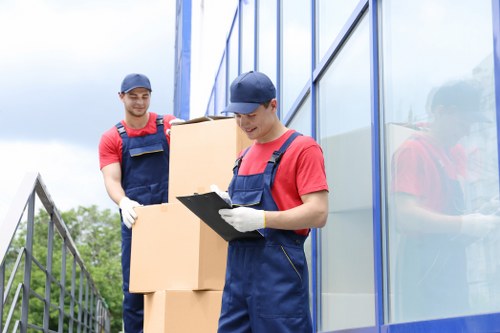 This Health and Safety Policy sets out the approach of a professional removal company in Belgravia to protecting employees, customers, visitors, and the public during all moving activities. The company is committed to maintaining safe working practices, reducing preventable risks, and ensuring that each relocation is carried out with care, planning, and accountability. Health and safety are treated as core responsibilities, not optional procedures, and every member of staff is expected to support a culture of vigilance, respect, and caution. The policy applies to all types of removals, including domestic moves, office relocations, and the handling of furniture, personal possessions, and specialist items.
Policy Statement
The removal company recognises that moving operations can involve manual handling, lifting, loading, vehicle movements, and work in occupied properties. These activities can create hazards if they are not properly assessed and controlled. To manage these risks, the company carries out risk assessments, provides appropriate training, supplies suitable equipment, and reviews work methods regularly. The aim is to prevent injury, protect property, and ensure that all staff understand their duties in relation to health and safety. Careful preparation is essential to every project, from the first survey to the final placement of goods.
Responsibilities and Standards
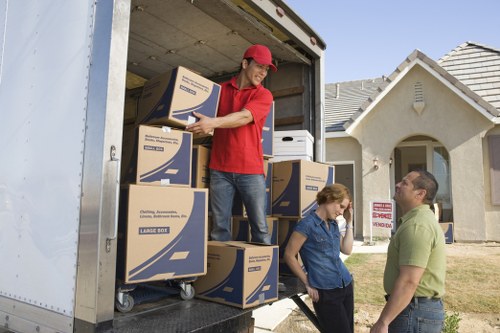 Managers are responsible for planning work safely, assigning tasks according to competence, and making sure that employees have the information they need before a job begins. Operatives must follow instructions, use equipment correctly, and report hazards, defects, or near misses without delay. Customers and other property users are also expected to cooperate where necessary, particularly when access routes must be kept clear or fragile items require special handling. The company places strong emphasis on communication, because clear instructions reduce confusion and help avoid incidents. Every move is supervised with safety in mind, whether it involves a single room or a large-scale relocation.
Training is provided so staff can recognise hazards, handle items safely, and use trolleys, straps, protective covers, and lifting aids appropriately. Refresher training is arranged when work methods change or when new risks are identified. In addition, the company expects all workers to maintain a professional appearance and behaviour that supports safe operations. This includes wearing suitable footwear, keeping work areas tidy, and staying alert to changing conditions.
Safe Working Practices
 Manual handling is one of the main risks in the removals sector, so the company uses a practical approach to minimise strain and injury. Heavy or awkward items are assessed before lifting, and team lifts are used when needed. Routes are checked to reduce the chance of slips, trips, and collisions with walls, doors, or stairways. Furniture protection, floor coverings, and packing materials are used to reduce damage and improve safety. Vehicles are loaded carefully so items remain secure in transit, and loads are arranged to prevent shifting. The removal team also pays attention to weather conditions, lighting, and the condition of access points, adapting the work where necessary.
Equipment, Vehicles, and Site Safety
All equipment and vehicles used by the removal company are maintained in good working order. Inspection routines help ensure that straps, dollies, ramps, and other tools remain safe and fit for purpose. Any faulty item is removed from service until it has been repaired or replaced. Drivers are expected to operate vehicles responsibly, follow road safety rules, and secure loads properly before departure. Parking and loading arrangements are planned carefully to reduce risk to pedestrians, other road users, and property occupants. Where a site presents specific hazards, such as narrow access points or shared entrances, the team adjusts its method of work to suit the environment.
When removals take place in occupied premises, extra care is taken to protect residents, staff, and members of the public. Work areas are kept as clear as possible, and hazards such as trailing cables, open doors, and uneven surfaces are managed promptly. The company expects all personnel to work with courtesy and to avoid unnecessary disruption. Safety communication is maintained throughout the job so that everyone involved understands what is happening and can act accordingly.
Any incident, injury, or unsafe condition is recorded and reviewed so that lessons can be learned. This supports continuous improvement and helps prevent recurrence. The company treats accident reporting as a positive safety tool rather than a blame exercise. Where a serious issue is identified, work may be paused until the risk has been addressed. This approach protects both staff and clients while reinforcing the company’s commitment to reliable and responsible service.
Emergency Preparedness and Review
Emergency arrangements are kept simple, practical, and relevant to removal work. Staff are expected to know how to respond to fire, medical incidents, vehicle breakdowns, or accidental damage. First aid provision is maintained in line with operational needs, and emergency contacts are made available to supervisors. In the event of a major disruption, the priority is to secure the area, protect people, and prevent further harm. Health and safety procedures are reviewed regularly to ensure they remain effective and appropriate to the services provided.
The policy is supported by a shared responsibility model in which managers lead, workers comply, and all parties contribute to safe outcomes. Performance is monitored through inspections, feedback from supervisors, and review of incident records. If improvements are needed, the company acts promptly to update procedures, provide extra training, or amend equipment use. This reflects the company’s belief that safety should be built into every stage of a move, rather than added at the end.
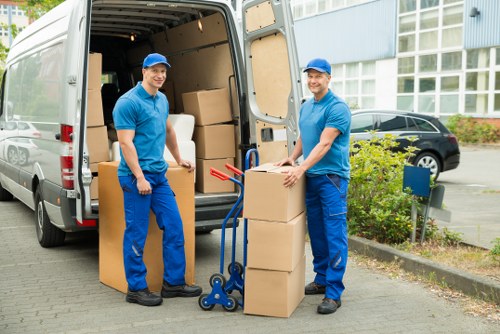 In practical terms, this means that each relocation is planned with attention to people, property, and process. The company aims to combine efficiency with caution, ensuring that standards remain high without compromising wellbeing. Risk control measures are applied consistently, and staff are encouraged to speak up if they are unsure about any task. A proactive safety culture helps the removals team work confidently and professionally.
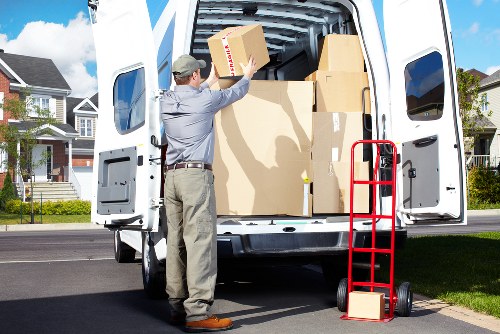 The company will continue to improve its health and safety arrangements through regular review, training, and responsible supervision. All employees are expected to support this policy and to uphold the standards that make safe removals possible. By working together, the team can deliver a dependable service while protecting everyone involved. Safety, care, and professionalism remain the guiding principles of the removal company’s operations.